





How Product Segmentation Drove 11,081 Conversions for Household Goods
Services

Challenge
This home and garden e-commerce store had been running advertising for years and offered a broad catalog. In reality, however, the core result was generated not by the full assortment, but by a handful of key products. Those products had two critically important advantages: strong LTV and solid economics from the very first purchase. So the task was not simply to “run the catalog,” but to build a system that consistently attracted customers to those key products and then increased their value through repeated touchpoints.
Goal
Build a stable customer acquisition system around key products that deliver strong ROAS from the first purchase and have high LTV.
- systematically attract audiences to key products
- increase LTV through retargeting and dynamic retargeting
- test secondary products in parallel to find new scaling opportunities
- build a stable customer flow through Google Ads and Meta Ads
Results

Key specifics and limitations
- the main result was generated only by part of the catalog
- a wide assortment did not mean equal efficiency for all products
- for some products, long-term LTV mattered more than a one-time sale
- a significant share of valuable conversions came through calls, not only through the cart
- the project had its own retention through email campaigns, so part of the value was created outside the direct “click → cart” path
Because of this, evaluating ad performance only by the first purchase or only by the cart was not enough. The strategy had to account for both fast payback and the customer’s future value.
Strategy around key products
The first focus was on products that already showed strong economics from the start: solid ROAS from the first purchase and high LTV in the ongoing customer relationship.
- systematically attracted new audiences to key products
- reinforced sales through retargeting
- used dynamic retargeting to bring users back
- built a long-term model focused not only on the first purchase, but also on repeat sales
Parallel testing of other products
The second direction was work with other catalog positions. The goal was not to scale the whole assortment equally, but to constantly test new products and look for additional growth points.
- tested static creatives
- launched catalog sales through Meta Ads
- tested new combinations through Google Ads
- looked for products that could move into the core scaling pool
The role of channels and the long-term system
As a result, we built a stable customer flow through both channels — Google Ads and Meta Ads. But it is important that advertising did not work on its own.
The project had its own retention through email campaigns, and a significant share of the most valuable conversions for the business came through phone calls. Those customers often brought even higher LTV than regular cart purchases.
That is why the system’s effectiveness was evaluated more broadly than only by cart orders: repeat sales, phone calls, and the long-term value of key customers were all taken into account.
Results
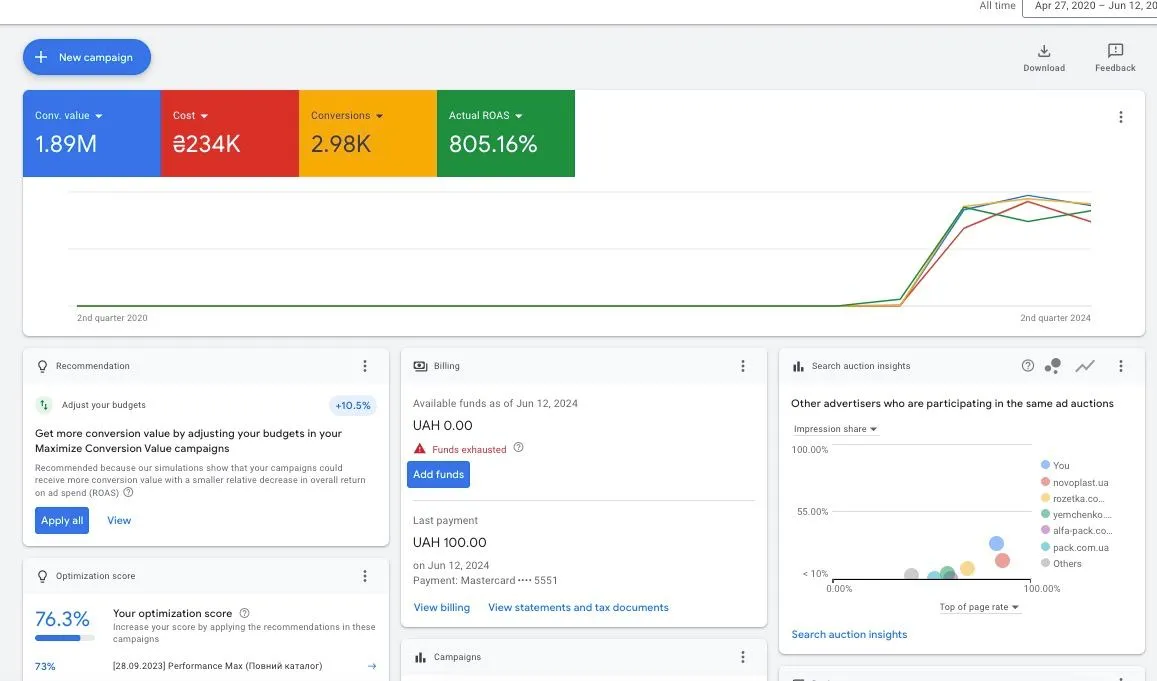
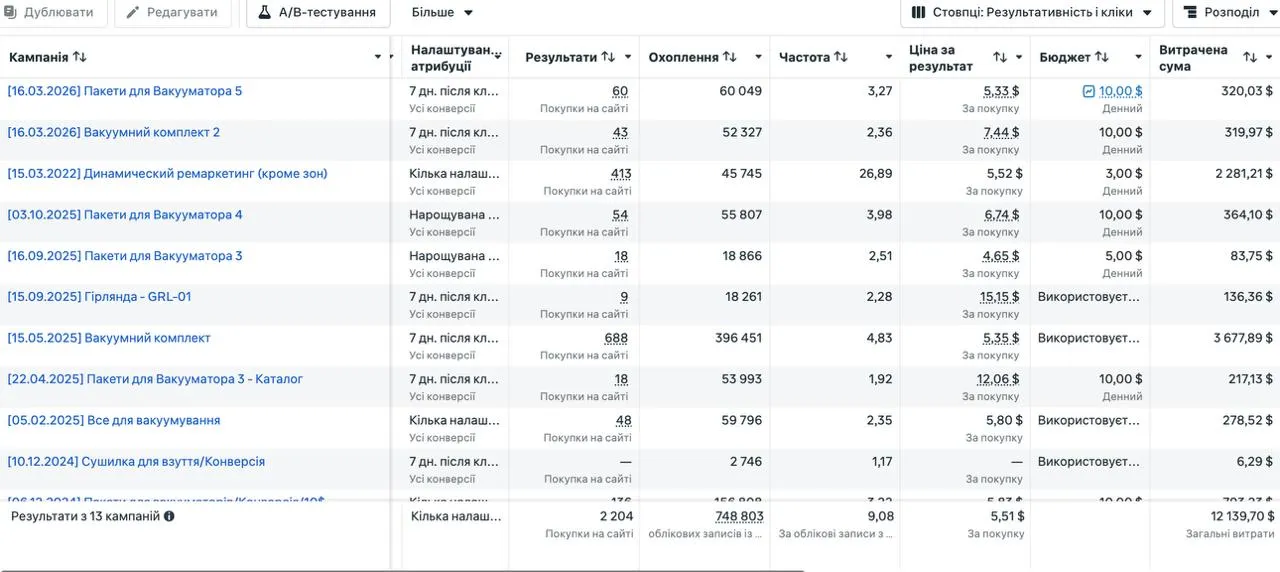
- 11,081 conversions
- UAH 1,402,306.21 in total spend
- average cost per conversion — ≈ UAH 126.55
- a stable customer flow through Google Ads and Meta Ads
In the end, the project was optimized for long-term work around key products, while also uncovering new items for further scaling.
What Worked
What drove the result

A focus on key products that already delivered strong ROAS from the first purchase.
A model built around customer LTV, not just one-time sales.
Retargeting and dynamic retargeting to bring the audience back and warm it up.
Parallel testing of secondary products through Google Ads and Meta Ads.
Accounting for email-retention flows and calls as an important part of the customer’s real value.
Similar projects
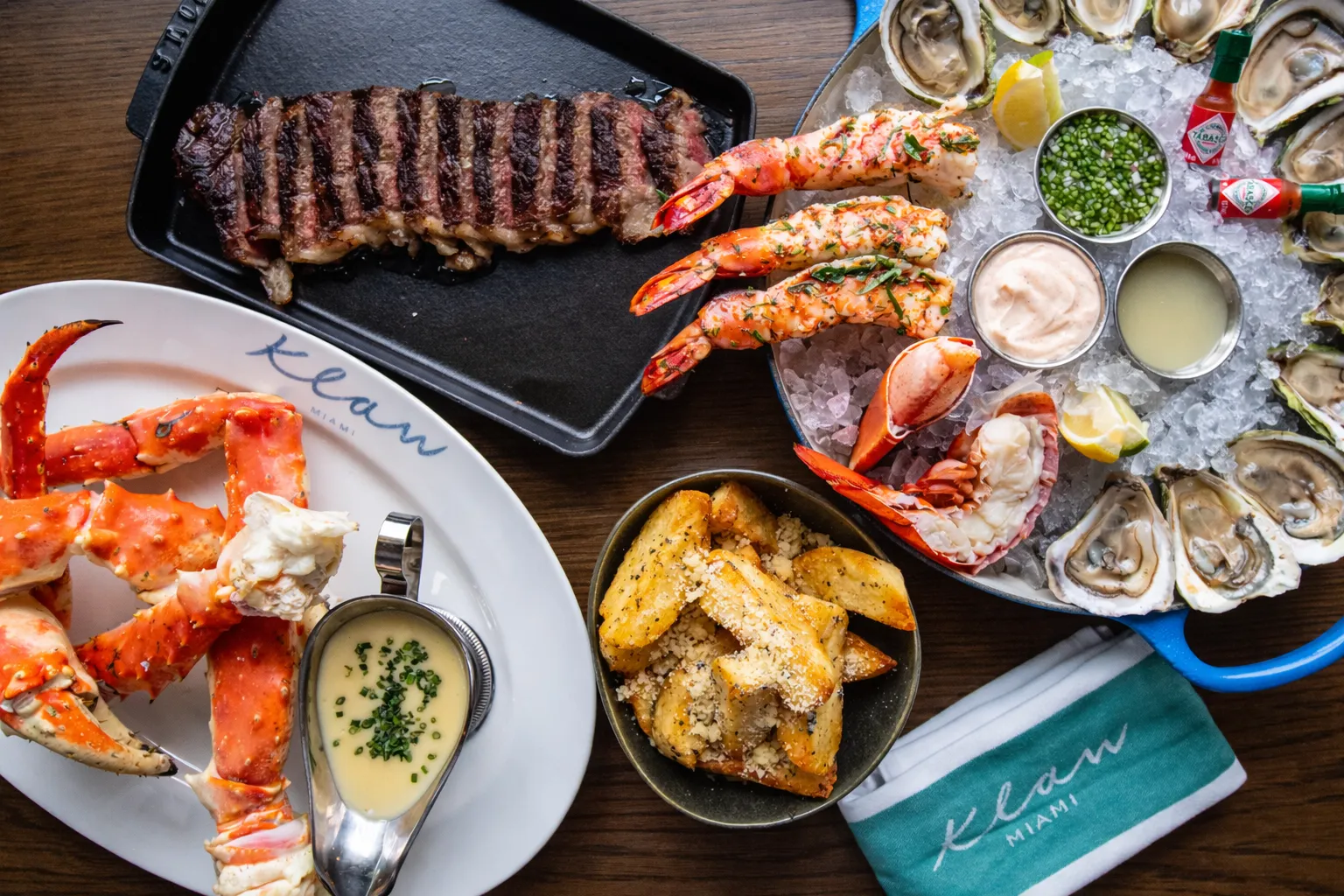
$233k in Bookings at an Average Cost of $9: Systematic Customer Acquisition for a Restaurant in Miami

How We Reduced Order Cost from $35 to $3 in the Dessert Niche Through Google Ads

Supplements Online Store: How We Optimized Advertising and Increased Orders

Over $350K in E-commerce Revenue in the Electronics and Gadgets Niche
Over $133,000 in Revenue Generated Through Advertising for an Online Decor Store

How We Generated Over UAH 11.6 Million in Revenue for an Electronics Online Store

How We Significantly Increased Sales of Asian Snacks Through Advertising

How We Scaled a Women’s Lingerie Brand with Its Own Production Through Google and Meta

How We Tested and Scaled a Tech Subscription Service Through Meta + Google

How We Scaled a Crypto Exchange Through 2 Channels and Tested 2 Different Acquisition Models

How We Grew an Automotive YouTube Channel to 4,250 Subscribers in One Month

How We Brought 1,000+ Attendees to a Business Forum in Europe Through Google Ads

How We Increased ROAS by One Third for an E-commerce Fashion Brand Through Proper Ad Segmentation

How We Scaled an Online English School Through Google, YouTube, Meta, and TikTok and Increased the Value of Every Lead

UAH 7.2M Through Google + 5,941 Sales from Meta for Alcohol E-commerce

How Product Segmentation Drove 11,081 Conversions for Household Goods
How We Grew from 50 Orders to 500+ per Month and Expanded 11x in Six Months




Is your marketing not delivering results? We’ll show you how to fix it.


Let’s break down your project